

Recycling - Recovering E-Coat Line Process
Recycling and recovering E-coat line process water in the automotive industry
The automotive industry relies on Electrocoating (E-coat) as a crucial step in vehicle manufacturing, particularly for applying primer coatings to metal parts.
E-coat Process
E-coat is a type of electro-deposition coating, where an electric current is used to apply paint to a vehicle's metal surface.
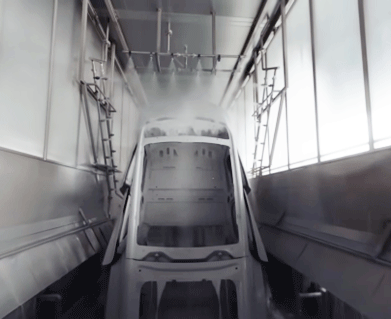
In the final rinse stage of the E-Coat process, excess paint is removed with high-purity water. As the automotive sector increasingly prioritizes environmental sustainability and cost reduction, implementing a water recovery system to reuse final rinse water rather than disposing of it can significantly reduce the need for fresh de-ionized or reverse osmosis water.
Sustainability and Optimization in E-Coat Lines
In recent years, there has been a growing emphasis on enhancing the sustainability of E-coat lines, particularly regarding water usage. The final rinse, which utilizes high-purity water to eliminate excess paint, has become a key area for optimization.
Efforts to reduce or replace demineralized water in the rinsing steps have been evaluated and successfully implemented. Furthermore, various treatment technologies have been assessed to reuse E-coat wastewater, enabling the creation of closed-loop systems that lower both freshwater consumption and disposal costs.
However, the wastewater composition, which contains a range of pollutants, presents challenges. Advanced treatment technologies are necessary to effectively remove these contaminants.
Lenntech's Tailored Solutions for the Automotive Industry
With over 30 years of expertise in the water and wastewater treatment industry, Lenntech has positioned itself as a leading provider of Ultrafiltration (UF), Nanofiltration (NF), and Ion Exchange (IEX) systems, specifically for applications like E-coat water recovery.
For this application, Lenntech has carefully tested, selected, and designed the most suitable technologies to meet the stringent requirements of clients.
The primary objective was to reduce the electrical conductivity of the feed water while allowing a portion of the biocide to pass through, leading to a significate reduction in chemical usage and be able to reuse the product water in the rinsing stage at several European and American major automotive companies. Additionally, feed water containing solvents and other chemical impairing substances is treated using specialized membranes, ensuring optimal performance in the recovery process
References:
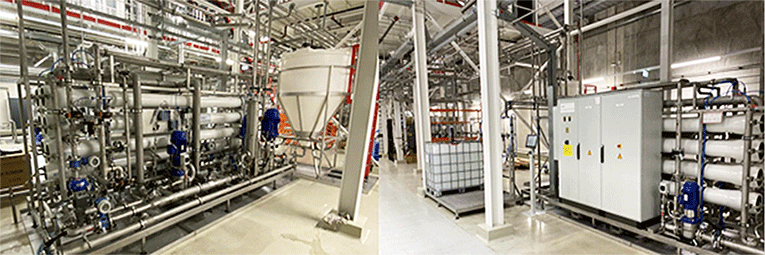
Nanofiltration Unit for the Paint Shop – Germany
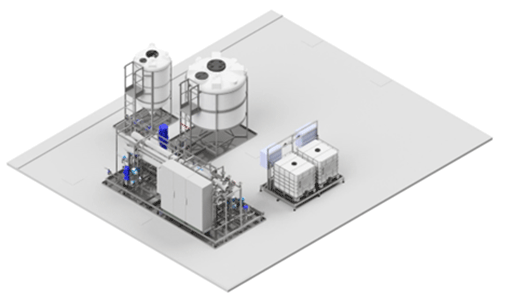
Nanofiltration Unit for the Paint Shop – Slovakia
For more information or quotation, please contact us:  Feedback Form or call us on +31 152 610 900