

Ultrapure water production for electrolyser feed water for green hydrogen
Ultrapure water (UPW) for green hydrogen
One kilogram of hydrogen contains 33 kWh of usable energy, roughly three times the energy contained in one kilogram of petrol and diesel. Thus, it is used for a wide range of applications ranging from power generation and energy storage to fuel cells for transportation. It is also part of critical industrial processes such as the Haber-Bosch process for ammonia production.
Hydrogen Applications
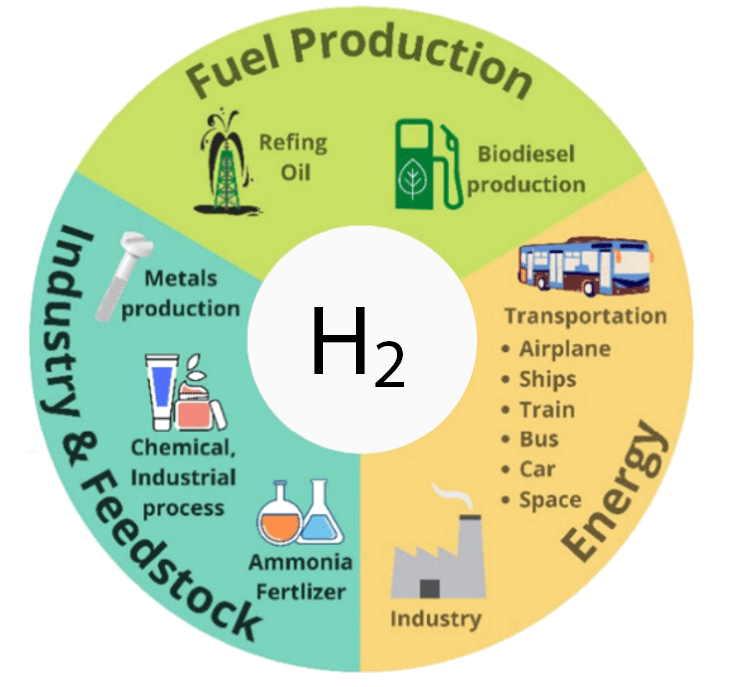
Figure 1 - The wide range of applications of hydrogen
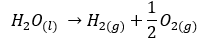
Hydrogen can be synthesized through a wide range of processes using either a hydrocarbon, water or both as base for its production. In the case of green hydrogen, water electrolysis, powered by renewable energy, is used to produce this essential gas according to the following equation:
Hydrogen is produced from ultrapure water with a 9:1 ratio, i.e. nine kilograms of ultrapure water are required to produce one kilogram of hydrogen. When accounting for the water treatment chain, the ratio between feed water consumption and hydrogen production can vary between 15:1 and 30:1 approximately depending on the feed source.
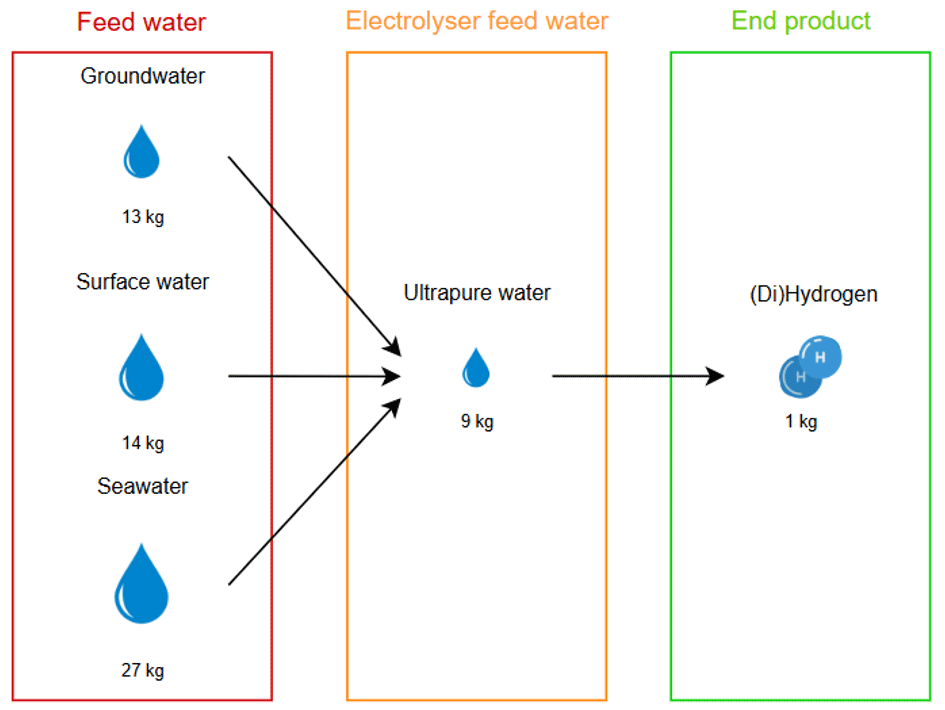
Figure 2 - Water required to produce one kilogram of hydrogen depending on feed source
To ensure maximum efficiency and protect highly sensitive electrolyzers, feedwater quality must meet the highest quality standards. To achieve these requirements, a complete demineralization system featuring notably double-pass reverse osmosis and electrodeionisation is generally warranted.
As water is recirculated continuously within the electrolyzer unit, any impurities passing through the demineralization system or contamination coming from the electrolyzer unit equipment can quickly accumulate to important levels. To prevent contaminant build-up inside the electrolyzer loop, a Point-Of-Use polisher can be applied to treat a fraction or the totality of the recirculated water.
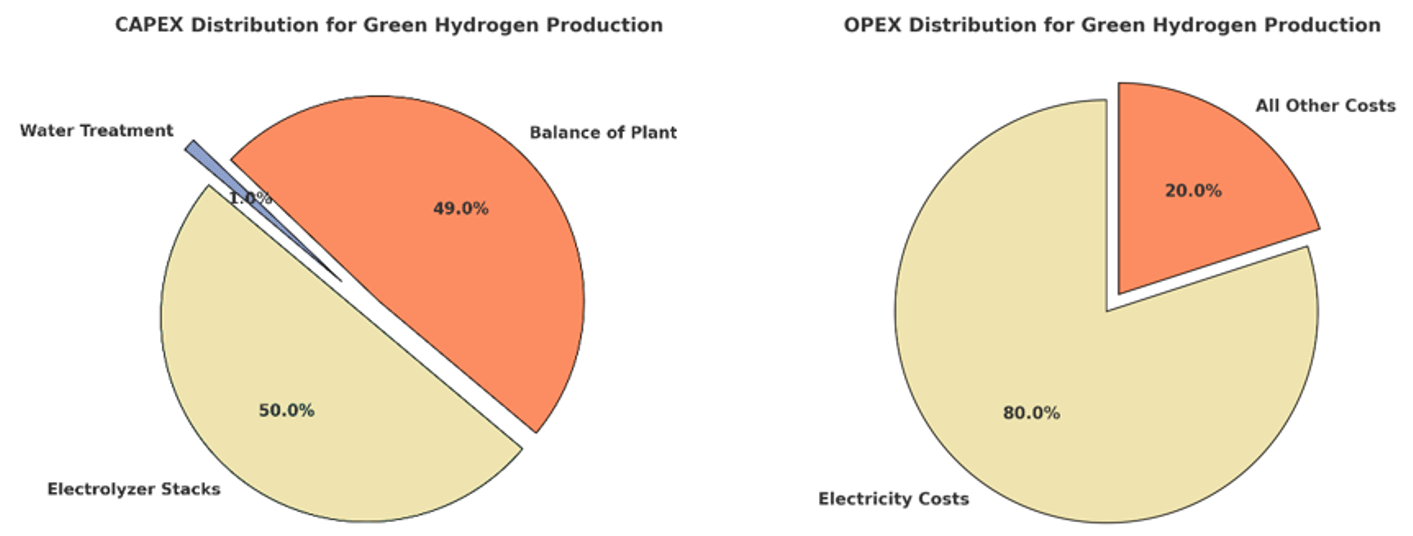
Figure 3 - Price breakdown of CAPEX and OPEX for green hydrogen plants
While the water treatment system accounts generally for 1-5% of the total capital expenditures of the plant, electrolyzer stacks account for 50-60% of the total. It is all the more important to have an adequately designed system upstream and for the electrolyzer loop to protect the stacks and increase their lifespan.
Additionally, electricity costs usually represent 60-80% of all operational expenditure and are one of the main cost drivers over the existence of a plant. A proper treatment unit is again paramount to ensure no impurities build-up on the electrolyzer surface that would lead to higher electricity consumption.

UPW production ~ 2-5 kWh/m3 UPW electrolysis ~ 5000 kWh/m3
Figure 4 - Approximate electricity required per m3 for UPW production and UPW electrolysis
While marginal in both CAPEX and OPEX at the plant scale, ineffective or mis optimal water treatment system can however lead to heavy consequences:
- Damage of the electrolyzer stack
- Increased downtime due to more frequent maintenance stops
- Increased cost of ownership due to higher electricity and water consumption
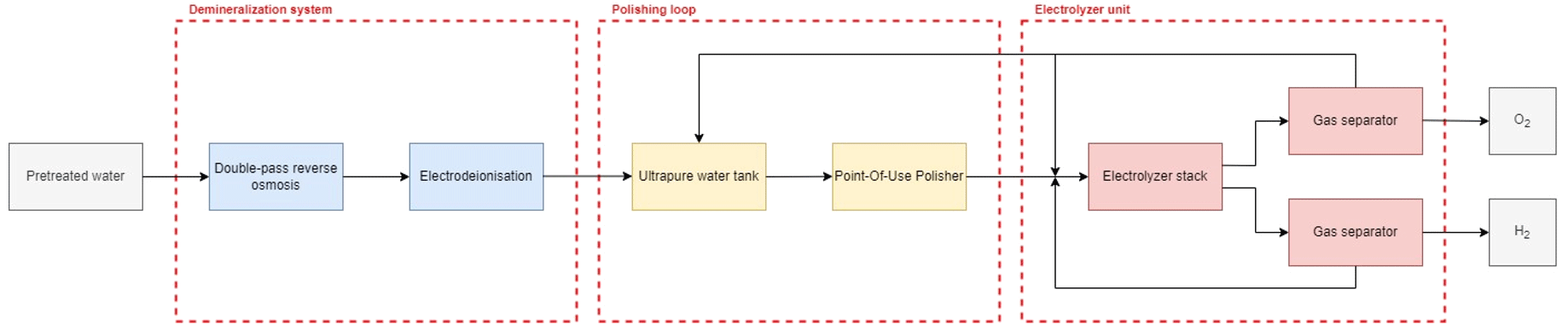
Figure 5 - Simplified treatment chain for UPW production
Lenntech can provide solutions for a complete treatment chain from the pre-treatment of raw water to the Point-Of-Use polisher using the following technologies:
- Multimedia filtration
- Ultrafiltration
- Fine filtration
- Reverse osmosis
- Electrodeionisation
- Ion exchange
- UV